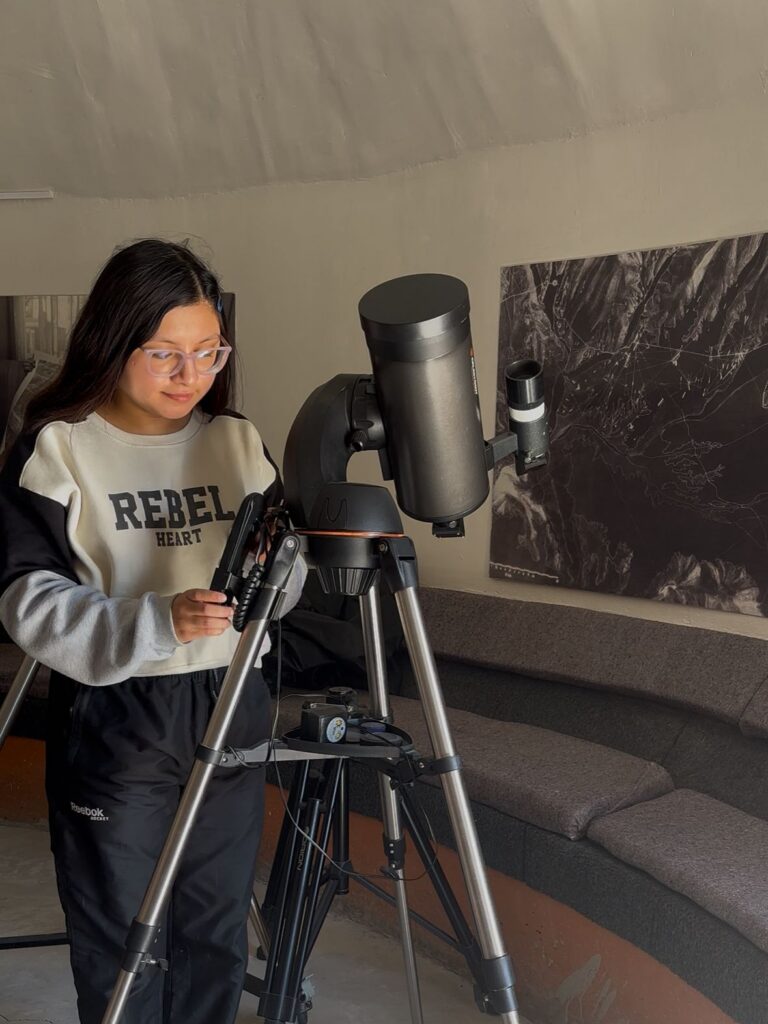
Science communication is not only about explaining facts. It is also about creating conditions for people for all ages to understand, remember, and feel connected to what they are learning. This is why planetariums are such powerful tools for science communication. They do something that text alone often cannot do: they turn scientific ideas into […]
A Science Blog
A Science Blog
Do you have something to say about science communication and looking for a good forum? Please see our pitching guide and then email blog@sciencecomm.org with your pitch and we’ll discuss the details.
Grandparents for Vaccines as Science Communicators
My grandson Sam is almost one year old. He’s my first grandchild and I’ve loved watching him grow. Fortunately, I have not had to watch him suffer from vaccine-preventable diseases, because my daughter and son-in-law make sure he has all his vaccinations. Being a grandfather motivated me to become the Michigan representative for the group […]
Interpretive Theme Power for Science Communicators
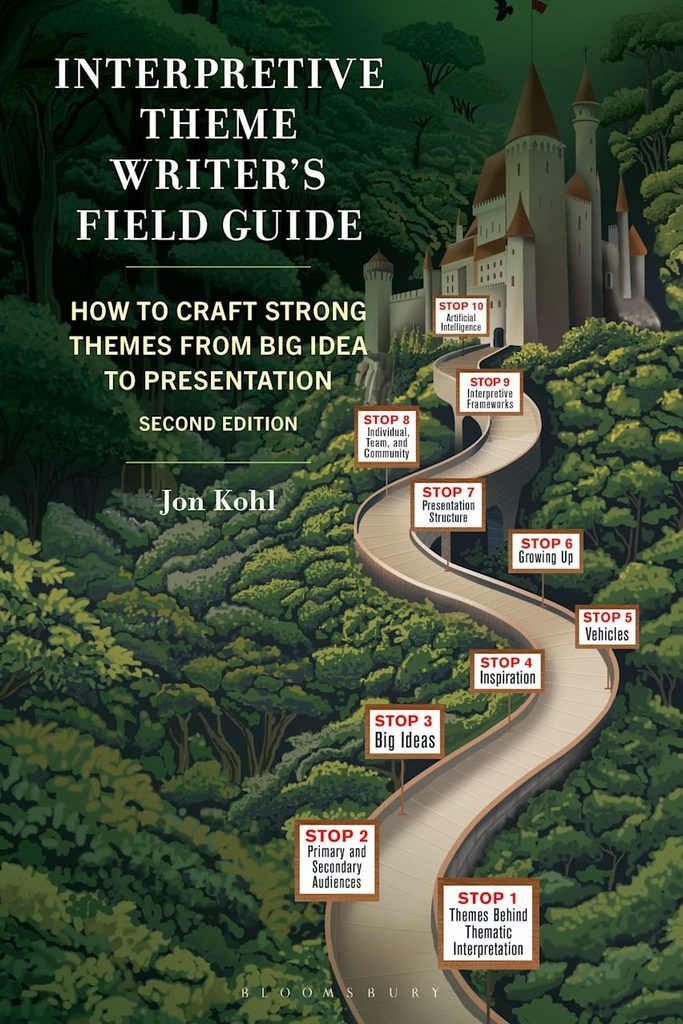
Though much science communication explains facts and processes, the most memorable communication moves readers toward deeper insights about the nature of the universe and themselves. To achieve this change, science communicators may need to move beyond explanatory thesis statements toward transformative interpretive themes. While both overlap, their difference hinges on the theme’s explicit goal to […]
Always Learning: Reflections on the 2025 – 2026 ASC Mentorship Program
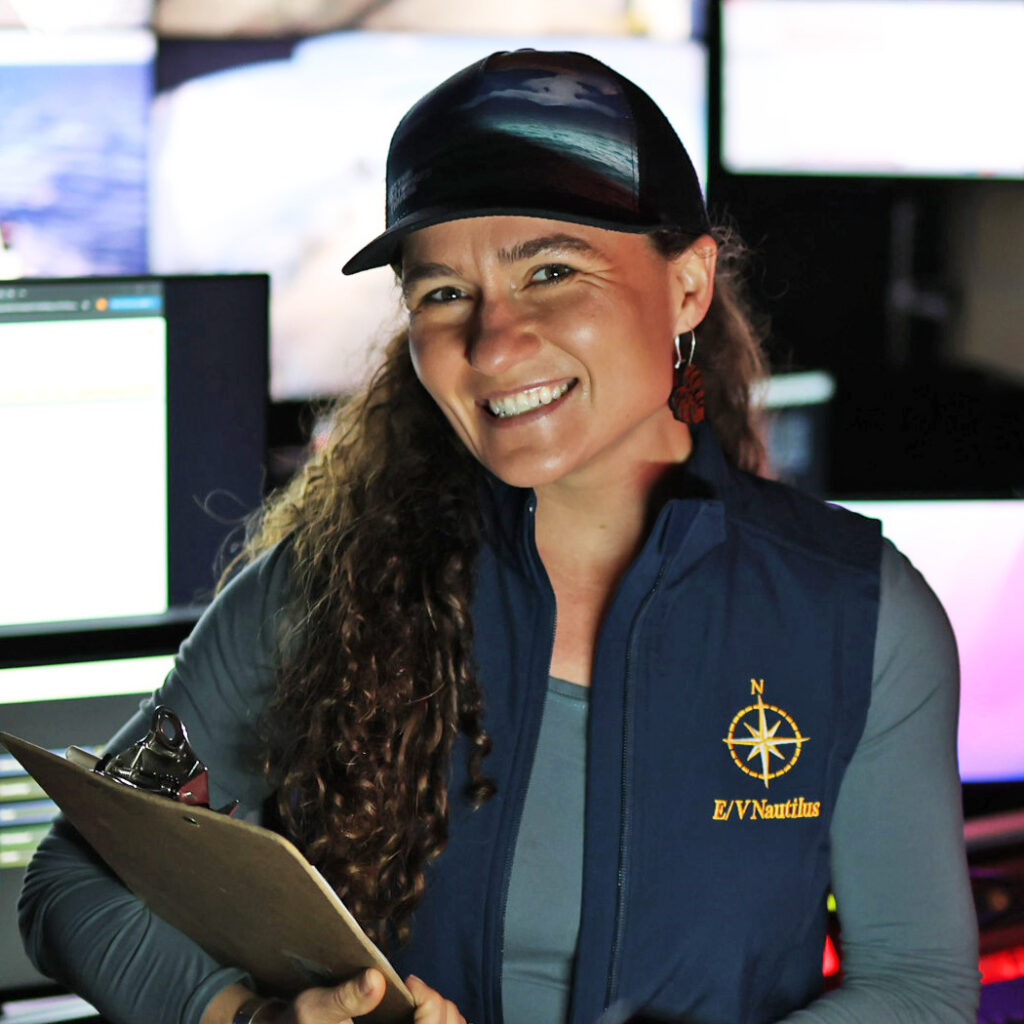
During our first official meeting of the 2025 – 2026 ASC Mentorship cohort, we asked participants to introduce themselves and briefly describe why they applied to the program. Their interests and reasons varied but each response contained the common thread of curiosity. Many people posed questions like: What is the most effective way to find […]
The Role of Judgment in Science Communication
Science communication isn’t just about translating research into simpler language or explaining unfamiliar concepts. It is, at its core, an “exchange of information and viewpoints” in science, as the National Academies of Sciences, Engineering, and Medicine defines it. That exchange plays out in public, where interpretations are presented, compared, and often compete for attention. Whether […]
ASC Thought Leader Interview Series
Building Trust, Sparking Inspiration
This series features thought leaders in science communication, bringing you fresh insights from top voices.
Why Science Communication Needs Visuals
A Call for Human CreativityPicture this: You’re scrolling through your social media feed when suddenly, a stunning picture of a black hole stops you mid-scroll. Or you’re flipping through a magazine and a beautiful diagram of DNA catches your eye. Sound familiar? That’s the power of science visuals at work. But scientific illustrations aren’t just decorations—they’re fundamental tools crafted […]
An Engineer’s Fatal Flaw
Why Accessibility is the Ultimate Metric of Mastery
In nearly every sci-fi movie featuring an engineer, there will inevitably be a moment when they explain something to the rest of the team, followed by the hero delivering the classic gag-line; “Um, in English please?” While it was funny the first 27 times, the 28th got me thinking. How often have I, an engineer, […]
The First 30 Seconds of Science Communication: How Strong Openings Invite Curiosity

Every scientific explanation begins with a brief moment where the audience instinctively decides whether they feel oriented and interested. This early window is small, but it has an enormous influence on how the listener receives everything that follows. The beginning is where connection, clarity, and trust are established. It is the moment that prepares the […]
The Science of Storytelling, Part 2
How to Write a Strong Opening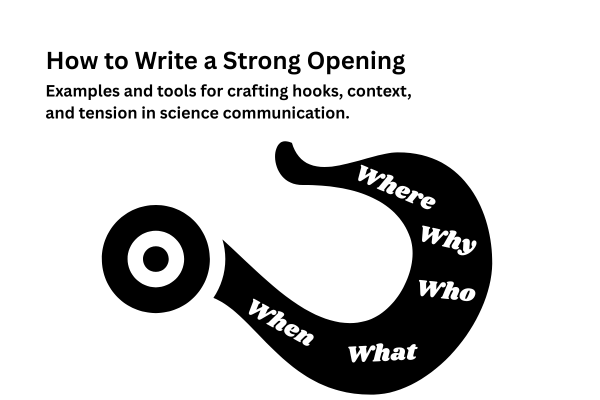
Examples and tools for crafting hooks, context, and tension in science communication. A strong opening determines whether a reader commits to your story or drifts away. In Part 1, we looked at the narrative tools that shape effective science communication—especially the And–But–Therefore (ABT) structure. Now we focus on the first 2–3 paragraphs, where those tools […]
The Science of Storytelling
How to Use Narrative Tools in Science Communication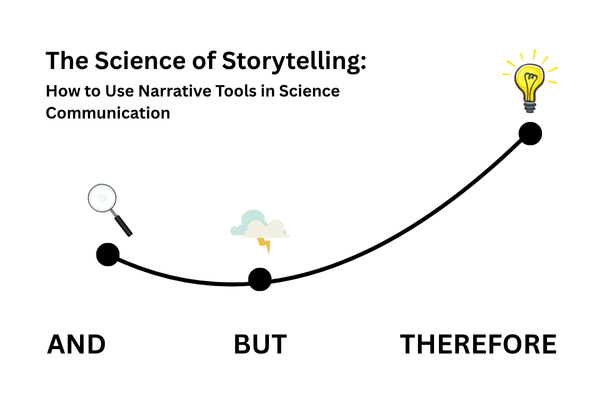
Tell someone a story, and their brain lights up in sync with yours. That’s what neuroscience shows—and why nothing in science communication makes sense except in light of narrative. Stories make science human and memorable. But weaving data into a compelling story is hard. Therefore, frameworks like ABT—the And, But, Therefore model—can help scientists bring […]
Does doing SciComm and outreach affect chemistry alumni prospects? We want to find out!
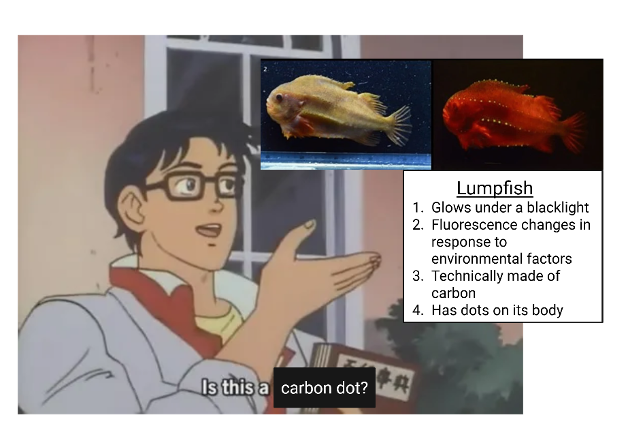
Want to skip right to the survey? Click here! (Must be at least 18 years old and have graduated or be close to graduation from a US academic institution in chemistry or a closely related field.) Every time I go back to Wisconsin to visit my family, I get asked the same questions: “So, how is your […]
Insights and Practical Considerations for Communicating Basic Science

In my ten years at the bench prior to joining The Kavli Foundation’s Science and Society team, I frequently found myself drawn toward opportunities to share my science, as I expect many of you are as well. As someone who, more often than not, was working on basic science projects, I struggled to find the […]
When Lab Work Went Viral

How fluorescent gels, pipette ASMR, and TikTok trends are reshaping science communication A few years ago, “lab life” meant late nights with broken centrifuges, mismatched gloves, and postdoc-fueled existential dread. Now? It’s neon gels synced to Taylor Swift, pipette clicks as ASMR, and scientists lip-syncing while explaining CRISPR. Welcome to the age of “aesthetic science”, […]
Oops, Science Did It Again: How Communicators Handle Retractions Without Losing Trust
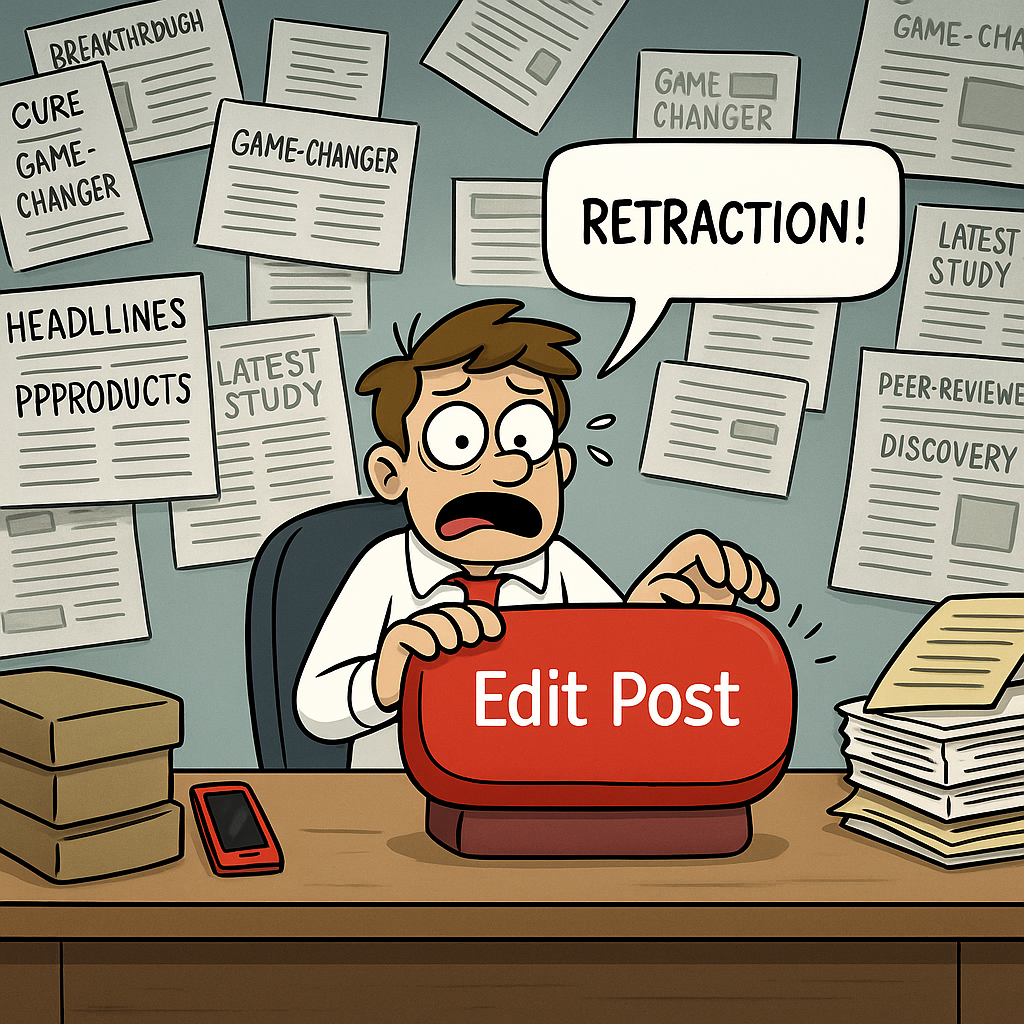
Let me paint a familiar picture: You’ve just published a shiny new explainer on a “breakthrough” study. You’ve broken down the jargon, added some metaphors, maybe even dropped a Taylor Swift reference for flavor. You’re feeling good. People are liking, sharing, and learning Then, like an unwelcome plot twist, months or years later, you find […]
Your Neighborhood Scientist: A new initiative to bring back public excitement about science

It’s been a scary few months for science. If you’re anything like me, you’ve alternated between doom-scrolling, calling your representatives, and trying to keep experiments going, all while wondering if your lab will still be funded in a year. I read a new headline every day: NIH indirect cuts that will decimate research funds, pauses […]
A guide to talking about vaccines

When we are discussing something controversial or otherwise difficult like vaccines, it can be challenging to know where to begin. Emotion, culture, context, past experiences, among many other factors, can play a part in this. It can also depend on what one is attempting to achieve with a discussion. Are you trying to change the […]
Global Trust in Scientists
Insights and Implications for Science Communicators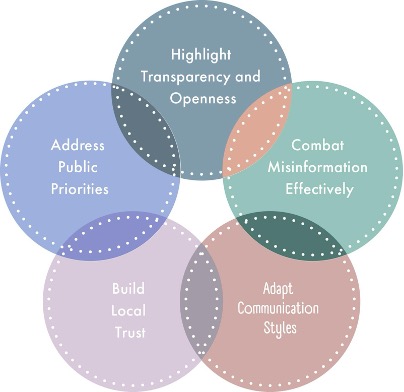
Publication Details: Why I Chose This Paper: Understanding public trust in scientists is crucial for science communicators. This paper offers a large-scale, global perspective on trust dynamics, providing actionable insights to enhance engagement and address skepticism. The Larger Issue: Trust in Science Public trust in scientists is essential for effective decision-making and policy implementation to […]
A Sign for Change
Empowering future Deaf and Hard-of-Hearing scientists with ASL
Have you ever had one of those days where you think, “There has to be a word for this”? Now imagine, you pick up a dictionary and find that it’s in a language you can’t understand. You move on to the next one and, thankfully, you can read it, but instead of a word you […]
Peek behind the curtain: How ASC creates the SCIENCE TALK conference program
Each fall, the Association of Science Communicators asks you – the professional SciComm community – to submit ideas for conference talks, workshops, and panels. After we review them for credibility & appropriateness, we reach out to you again for your opinion on those submissions – we invite you to vote for the sessions that most […]
Event Recap: Celebrating Science Through Storytelling at the Alberta Rose Theatre
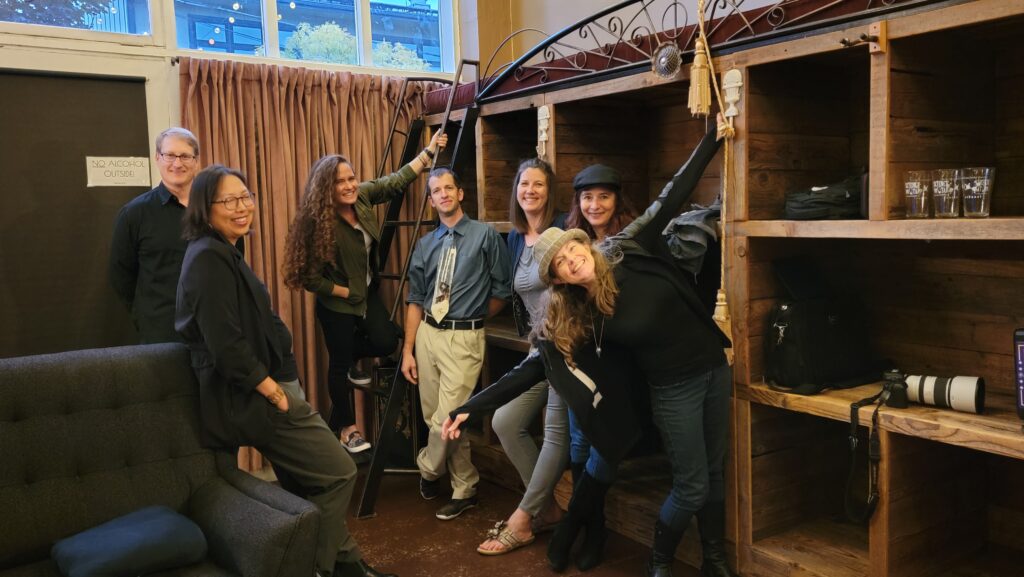
On September 17th, 2024, science met storytelling in an unforgettable evening at the Alberta Rose Theatre in Portland, OR, thanks to a powerful collaboration between ASC, The Story Collider, and Make You Think Inc. This unique live event blended science communication and personal stories, showcasing how the two can intersect to inspire, entertain, and connect […]
Simple advice that transformed my scientific writing

My experience with graduate school was that I was as much of a public speaker and a writer as I was a scientist in the lab. In my five years in a biomedical research PhD program, we were constantly under pressure to not only produce interesting data, but to communicate it clearly, quickly, and concisely, […]
Pipettes for Pens: a Brief Guide to Transitioning from Scientific Research to Writing: Part 1, Transition to Industry

When I started in research over a decade ago, I was motivated by the scientific topics that interested me: I wanted to learn more about infections and their role in global health. But if I’m honest, I never loved the lab. I enjoyed the fine motor skill component, listening to podcasts while I worked, and […]
From Lab to Narrative
A ‘How-To’ Guide on Transforming Your Research into Compelling Science Stories
Imagine standing in front of a packed auditorium, your groundbreaking research condensed into a PowerPoint presentation. As you begin to speak, you notice eyes glazing over, attention wandering. Sound familiar? Don’t worry – you’re not alone. Many of us struggle to convey the excitement and importance of our work to non-specialists. But what if you […]